Our Rules
DISCLAIMER: Members of the public reading these Rules should please note that they are made between London Farmers' Markets Ltd ("the Company") and those selling at the Company's sites ("Producers"). The Rules appear on the Company's website for the benefit of current and prospective Producers, and are available to the public for information only. The Company endeavours to ensure that Producers abide by these Rules but does not guarantee to the public that all Producers are abiding by these Rules at all times. The Company welcomes communication from any customer who believes or suspects that any Producer is offering goods for sale inappropriately, and will always investigate any such complaint. The Company reserves the right in its sole discretion to vary or make exceptions to the Rules as it sees fit.
LONDON FARMERS’ MARKETS LTD
RULES for PRODUCERS dated 14 July 2023 (“the Rules”)
These Rules apply to all those (the ‘Producer’ or ‘You’) who sell at any farmers’ market (‘the Market’) run by London Farmers’ Markets Ltd (‘We’ or ‘the Company’). They form part of the Undertaking to which they are appended.
- PRODUCER-ONLY You, the Producer, must raise, grow, produce, catch, gather, or bake everything you sell. You must attend the Market. You may not sell items on behalf of, or bought from, anyone else. The term Producer includes you, your family, and employees who are directly involved in production.
- REGIONAL and LOCAL FOODS The goods you sell must be raised, grown, produced, gathered, caught, or baked within 100 miles of the M25 (‘the Region’). At the Company’s discretion, primary producers will be considered from within 150 miles of the M25.
- DEFINITION of PRODUCER We allow three kinds of Producer as listed below, and different rules apply to them. You may also be in more than one category. For example, a beef farmer (Primary Producer) may make jam from raspberries grown in the Region (Secondary Producer). The three kinds of Producer are:
PRIMARY Producer—Raises raw ingredients such as apples or beef in the Region
SECONDARY Producer—Makes products with major ingredients from the Region (soup, jam, etc)
BAKER—Makes baked goods. Major ingredients such as meat must be regional
- PERMITTED PRODUCTS You may sell fruit, vegetables, herbs, eggs, fish and shellfish, meat, poultry, game, dairy products, honey and bee products, wine, spirits, cider, beer, juice, preserves, baked goods, flowers, and plants. You must ask our permission to sell any items not listed here and any items not listed in your application. The Company reserves the right in its sole discretion to limit the products which the Producer may sell, even if such products would otherwise be permitted by the Rules. If you develop new products you must seek permission from the Company before offering them for sale so that we can check compliance. You should discuss new product ideas with us as far in advance as possible. New products offered for sale without permission will be removed and the Company may suspend your attendance until the matter is resolved.
- DAIRY Milk and cream must come from your own herd. You must make cheese, yoghurt, and other processed dairy products yourself from milk from your own herd. Grazing animals must have regular access to pasture. All animals must be free to move around. You may not feed hormones or routine antibiotics.
- MEAT You must raise the animals for pork, beef, lamb, buffalo, venison, and any other farmed meat. Half of each of your animal species must be born on your farm, except beef. Beef young stock may be bought as stores. Animals not born on your farm must spend half their lives on your farm. Grazing animals must have regular access to pasture. All animals must be free to move around. You may not feed hormones or routine antibiotics.
- POULTRY and EGGS You must raise table poultry on your farm from day-olds. You may buy laying hens as pullets. Birds must have regular access to pasture and must be free to move around indoors. You may not feed hormones or routine antibiotics.
- FISH You must raise or catch the fish and shellfish you sell, or work with local fish businesses. Current permits and licences must be provided showing the fishing vessel / origin of the fish.
- GAME You must be involved in two or more of the following; raising game birds for shoots, managing named shoots, working on named shoots (including cover crops and shoots on your land), stalking / catching wild game. Venison can be sold from other local stalkers provided that copies of stalkers tickets are available for inspection. All your game must be processed at your own premises or locally by a named, registered business that we can visit. All wild game sold must be from within our Region.
- PROCESSED MEAT, FISH, and GAME Primary Producers must raise or catch meat, game, or fish in processed foods such as sausages or smoked fish. All meat, poultry or game used must be free range/outdoor reared. You may purchase minor ingredients such as spices. You may not use MSG, artificial colours, flavourings or sweeteners. We prefer that you make your own cured or processed meats. However, in some cases another party may make these foods from your ingredients. If so, you must: a) ask our permission in advance; b) supervise recipes; c) show that the raw ingredients are yours; and d) sell mostly unprocessed meat or fish.
- BOTTLED DRINKS You must press, mix, bottle, and mature wine, juice, and cider exclusively from ingredients you grow. You may buy minor ingredients such as spices and ginger.
Beer and Cider; Craft beer must be brewed by a local brewer at a craft brewery within our region. You may not use glucose syrup, rice, corn or any other adjuncts and you must brew all your beers at original gravity. Preference will be given to brewers using hops and barley grown within our region. Cider must be pressed with 100% fruit from the region, not using any concentrate.
Spirits must be distilled by you within our region. Preference will be given to products using ingredients grown from within our region.
Alcohol can only be sold by businesses with appropriate licences and we do not permit stallholders selling alcohol to consume it themselves on our sites, in line with licensing regulations.
- FRESH JUICE You may make fresh juice on the market using at least one ingredient you grow. Other produce you juice must be bought on the market. You must name the source of regional ingredients. You may buy minor ingredients such as spices and ginger.
- PLANTS and FLOWERS You must grow the flowers and plants you sell including Christmas trees. You must make arrangements yourself from your own plants. Where it is legal, you may gather plants, flowers, and herbs from the wild.
- HONEY and BEE PRODUCTS You may sell honey collected from your own hives kept within the Region. Honey must be your main product, but you may also sell candles, soap, or other products you make from your honey and wax.
- PRESERVES Secondary Producers must mix, cook, and bottle preserves, including jam, pickles, salsa, sauce, cordials and chutney, from scratch. Major ingredients, such as berries in jam, must be from the Region, minor ingredients such as spices can be imported. You may make marmalade with local honey if honey is more than 50% of the ingredients. Global preserves and pickled products are encouraged where more than 50% of the ingredients are from the Region, such as chutneys using potatoes and onions from within the Region, or chilli sauces using seasonal chilli peppers. You must name the source of regional ingredients and provide receipts to us immediately on request.
- BAKED GOODS—BREAD, CAKES and DESSERTS Bakers must make baked goods from scratch. You may buy flour, spices, and other minor ingredients such as lemons not grown in the Region. If produce is a major ingredient (as in apple pie), produce must be regional. You must name the source of regional ingredients. Eggs must be regional and, as a minimum, free range. You may use liquid pasteurised egg if you can prove that the product is regional and free range or organic. You may not use hydrogenated fats or oils. Products included in this category are: Breads, Cakes, Biscuits, ice cream, custard deserts.
- BAKED GOODS—SAVOURIES and PIES Secondary Producers must make soups, meat pies, quiches, and other foods from scratch. Major ingredients such as produce in soup, eggs in quiche, or meat in pies must be from the Region. All meat, poultry or game used must be free range/outdoor reared. Eggs must be regional and, as a minimum, free range. You may use liquid pasteurised egg if you can prove that the product is regional and free range or organic. You may not use hydrogenated fats or oils. You may not use MSG, artificial colours, flavourings or sweeteners. You must name the source of regional ingredients and provide receipts immediately on request.
- RESTRICTED PRODUCTS Products not listed above in points 1-17 are unlikely to be permitted for sale at our markets. No stalls are permitted to sell chocolates or confectionery. Products not listed here may also be restricted and we reserve the right to exclude any product from our markets without explanation.
- HOT FOOD You must complete our additional ‘hot food application form’ to be considered for selling hot food, this will demonstrate that you have thought through food handling and temperature control. Main ingredients must be from within the Region. We may not permit you to sell hot food on a market where there is a lot on offer already. You will be required to provide a food hygiene certificate and HACCP information as part of your hot food application and you should notify your environmental health office that you intend to cook at a market and take their advice. Only primary producers are permitted to grill raw / plain meat from their farms on our markets. All other meat dishes offered by secondary producers must as a minimum be made using meat from a free-range farm within the Region. Raw meat must have been altered from its natural raw state to add artisanal value and interest. Secondary producers are permitted to warm their produce to sell hot to customers. We do not permit the sale of drinks unless they are drinks you have made from your own grown ingredients. Tea and coffee (hot drinks) can be sold by dairy farms using their own milk or exceptionally by a dedicated stall demonstrating use of artisanal and local ingredients. If we believe you demonstrate poor standards of food hygiene we will stop you selling hot food immediately. You must name the source of regional ingredients and provide receipts immediately on request. Power is not available on all markets so LPG gas is recommended and a gas safety certificate is required. All take away food wrapping and containers must be plastic free and compostable, including utensils. Waste water and liquids must be removed from market sites and reasonable floor protection must be provided to prevent spillages
20. ATTENDANCE AND CONDUCT AT MARKET Your place at any of our Markets is offered subject to your agreement to attend on every occasion. You must give 10 days' advance written notice of not being able to attend; otherwise you will be liable to pay our fee as if you had attended. You must arrive in good time to set up and be ready to sell when the market opens. Your vehicle, if you have one, must be removed from the Market space at least 15 minutes before the advertised opening time unless you are specifically permitted in advance by the Market Manager not to remove it. You and your staff must at all times follow all instructions given to you by the Market Manager on the day, including (but not only) in relation to matters of safety, waste removal, audits and payment of fees. You may not sell before or after the advertised Market hours. We are not generally licensed for music and you must not play music in any form at your stall. You must ensure that you have a fire extinguisher and relevant paperwork on the stall if you intend to cook. Threatening, sexualised or racist behaviour towards any Manager, Producer or shopper at the Market, whether physical or verbal, will not be tolerated. If you or your staff believe that a Manager is behaving wrongly or unfairly you should report it to the LFM office rather than disputing the matter with the Manager at the time.
21. You are responsible for complying with all laws and regulations regarding the production, preparation, labelling, display, storage, sampling, and sale of goods.
22. You must take all waste home and sweep your space clean. You may not use public bins for waste or unsold produce. You will be liable for clean-up costs. You will make good or pay in full for the repair of any damage you cause to any third party while on the Market site;
23. You must post prices and trading name clearly and provide information about your methods of production.
24. You will allow us full access to your farm or place of production to verify your compliance with these Rules. If you refuse to permit reasonable visits to your property we reserve the right to suspend or exclude you from the Market. You will inform the Company immediately of any change or proposed change in your product lines;
25. You will pay the Company all market fees due to us, including any fee we may request if you fail to attend Market without giving us at least ten days’ notice. The Company will have total discretion to set the level of fees payable by the Producer. The Company reserves the right to audit your takings in a manner of its own choosing, and you must allow and facilitate any such audit. You agree to allow the Company to take payment from your bank account by direct debit. You agree to authorise the appropriate direct debit mandate and not to cancel it while you continue to trade with the Company. Any payment disputes should be resolved with the Company’s head office who will make appropriate refunds if required. You agree that if any direct debit payment fails owing to insufficient funds in your bank account you will make immediate payment by credit card. The Company may suspend your attendance until the debt has been cleared.
26. You must hold adequate insurance to trade with the public and must present an appropriate current certificate of public liability insurance to the Company immediately on demand. By agreeing to these Rules you further agree that the Company and its Directors are not liable for any claims, losses, damage, injury, costs, charges, liability, or exposure arising from your trading with us.
27. You permit us to exchange information about your business with Trading Standards and Environmental Health officers.
28. You are responsible for ensuring that you comply with all laws and regulations relating to the health and safety of your stall and its operation, including but not limited to the following matters: (a) Canopies and stalls must be erected correctly and weighted down sufficiently, and must not be used if they are damaged; (b) You must have electrical and gas appliances tested regularly by a trained engineer and appliances must be suitable for outside use; and (c) You must provide a fire extinguisher if you use electrical or gas appliances. The market manager may stop you using any equipment that does not (or appears not to) comply with the above or any other health and safety matter, which may result in the closure of your stall.
29. LFM does not require your business to have a website but if you do it must comply in all respects with the requirements of the Electronic Commerce (EC Directive) Regulations 2002 as set out in statutory instrument number 2013 of 2002. These regulations require you to display your name (your personal name(s) if you are not incorporated), your geographical address, your e-mail address and your VAT registration number if you have one. Websites of limited companies are additionally required to display their number and place of registration and their registered address. LFM will not accept any new application to trade at our markets from an applicant whose website does not display all details required by law.
30. You agree that:
You may not and will not trade at any of the Company’s markets unless requested and permitted by the Company to do so;
• Your contract is with the Company only; you do not have a contract with anyone we rent sites from;
• You have no right of tenancy whatsoever; and
• The Company has the right to request you to stop trading at any of our sites for any lawful reason whatsoever
31. You agree:
• To stop trading at any of our sites immediately if we ask you to;
• Not to make any claim against us if we ask you to stop trading.
32. You confirm that you have had the chance to take independent legal advice before signing these Rules, especially Nos. 25, 26, 27, 28 and 29 above.
33. The Company’s decision on these Rules and all other matters concerning the Market is final. You agree to abide by our decisions promptly. Changes to the Rules will be posted on the Company’s website. You are responsible for ensuring you stay abreast of any such changes.
34. These Rules, revised 14th July 2023, supersede all previous versions.
LFM endeavours to ensure that businesses comply with its Rules and reserves the right to exclude businesses who are found to have broken them.
Latest news
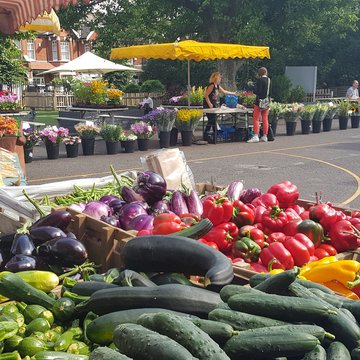
Spring is here
We hope that you had a very happy Easter.
The clocks have gone forward, as the days grow longer and the air becomes warmer, we welcome the arrival of more fruit and veg produce at our markets. This April, we're excited to celebrate the season's bounty and the energy that spring brings.
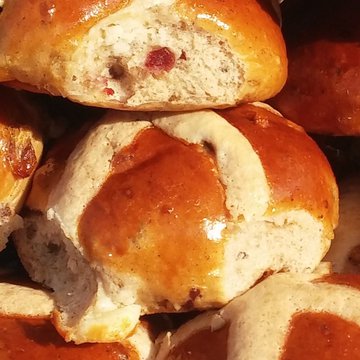
Markets will be open at Easter
Easter falls early this year. Our markets will be open as ususal over the Easter weekend for you to get your hot cross buns and other Easter produce essential for the holiday.
Love Your Farm
Farms need people especially at the moment. Have you ever thought that you would like to work on a farm? Maybe run one yourself one day?
Come to market this weekend. We are open...
We hope that you had a lovely Christmas and New Year break.